However, the drive for "engagement" often incentivizes outrage, speed over accuracy, and spectacle over substance. When entertainment content is optimized purely for watch time, we risk flattening complex human emotions into memes and reducing current events to clickbait.
But what exactly are we looking at when we study this field? We are looking at the intersection of
From the binge-worthy series that keep us awake until 3 AM to the viral TikTok dances that define our quarterly mood, entertainment content and popular media are no longer just "pastimes"—they are the cultural water we swim in. They shape our language, influence our politics, and often dictate what we wear, buy, and value.
The internet democratized distribution. Now, a teenager in their bedroom can produce a short film that reaches 50 million views, bypassing traditional studios entirely. Consequently, "entertainment content" has fractured into niches. There is no longer one single "top show"; there are thousands of top shows for thousands of specific subcultures.
The Mirror and the Mosaic: Understanding Entertainment Content and Popular Media
Historically, popular media was a one-way street. The Golden Age of Hollywood, network television, and major record labels acted as gatekeepers. They decided what was "good," what was "popular," and what would fail. Today, the landscape has inverted.
To study entertainment content and popular media is to study the psychology of the collective. Whether it is a Marvel blockbuster, a Joe Rogan podcast, or a melancholic Lana Del Rey edit on YouTube, we are watching people try to make sense of their emotions in real-time.
Ares
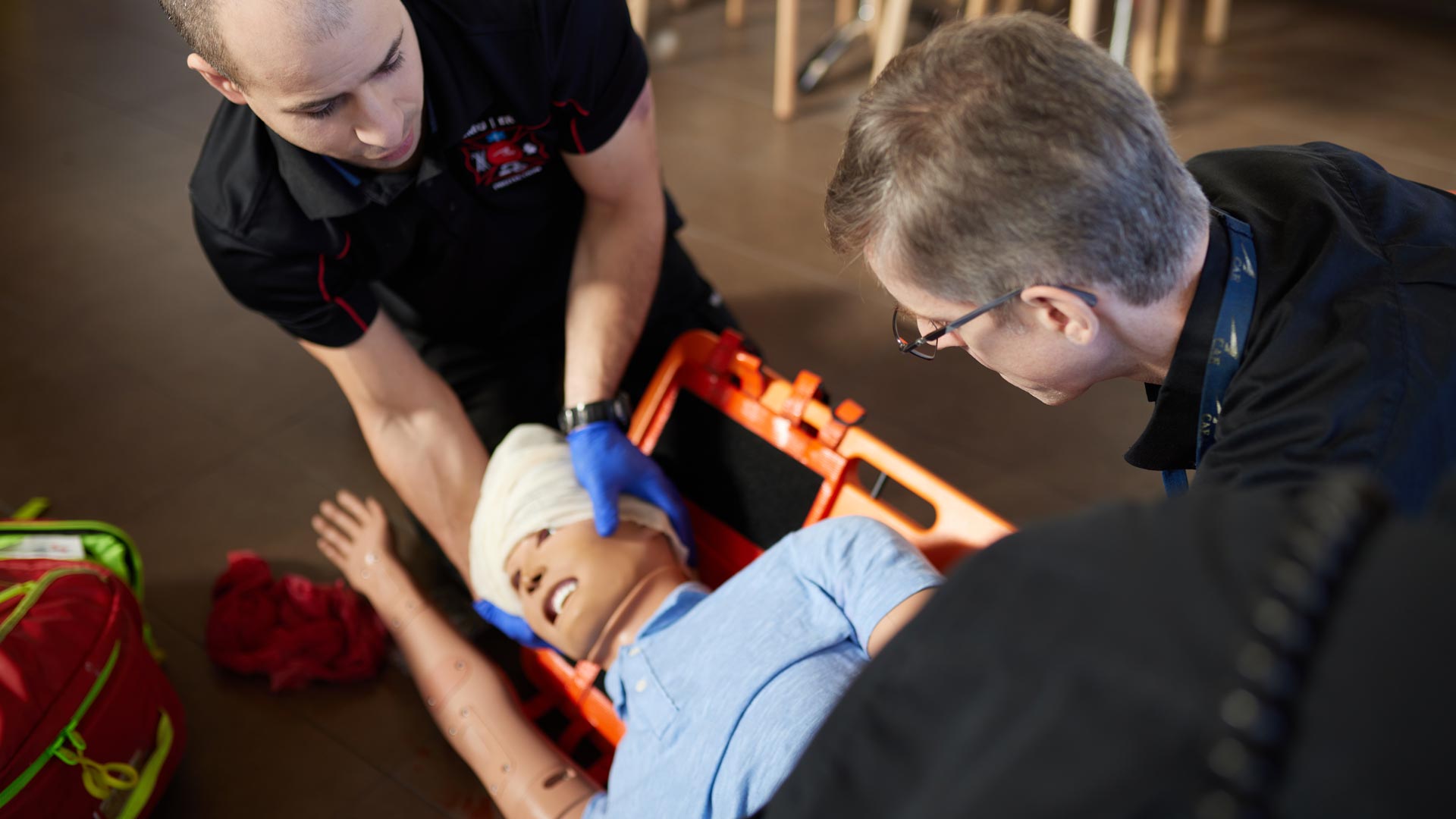
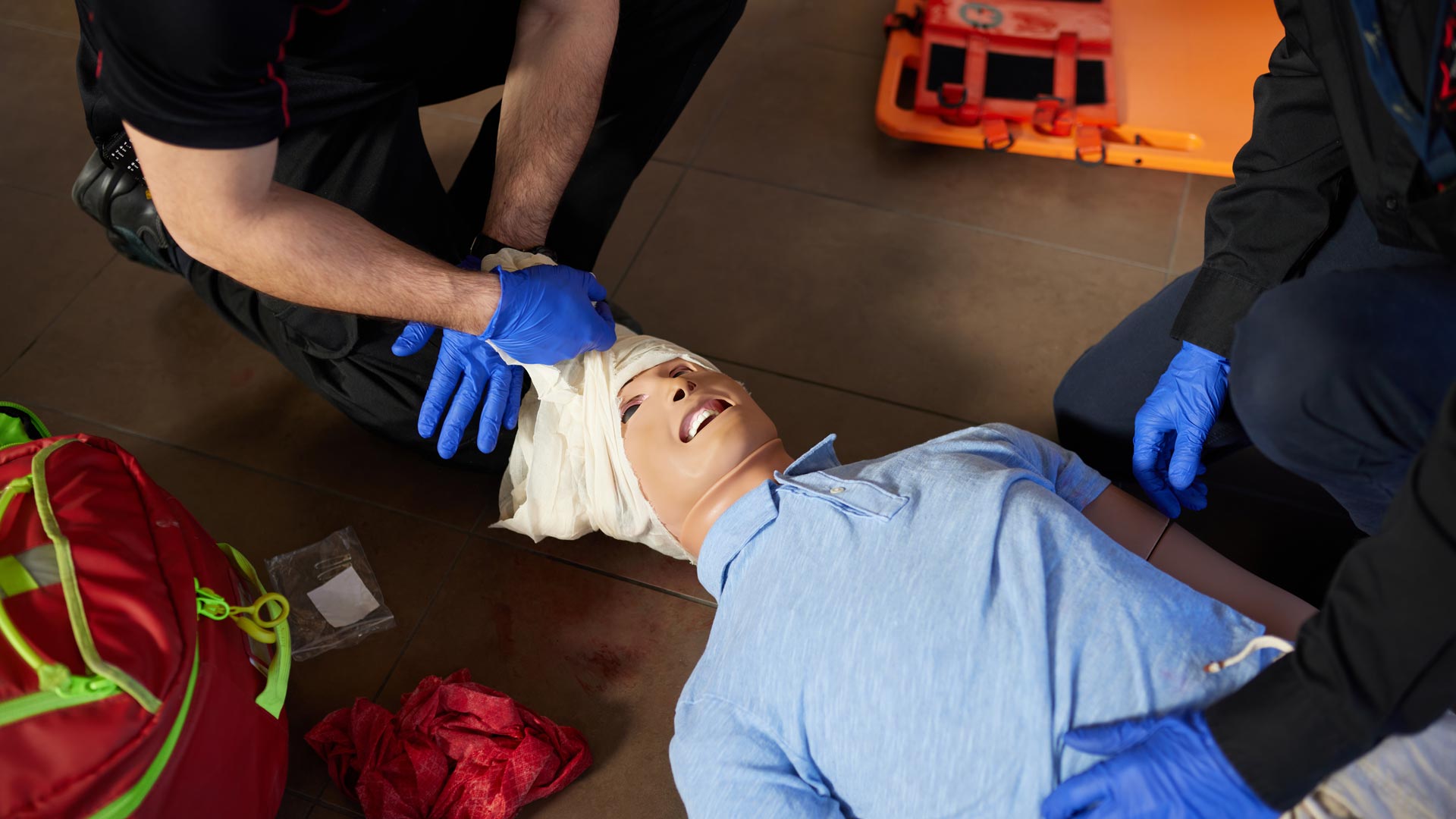
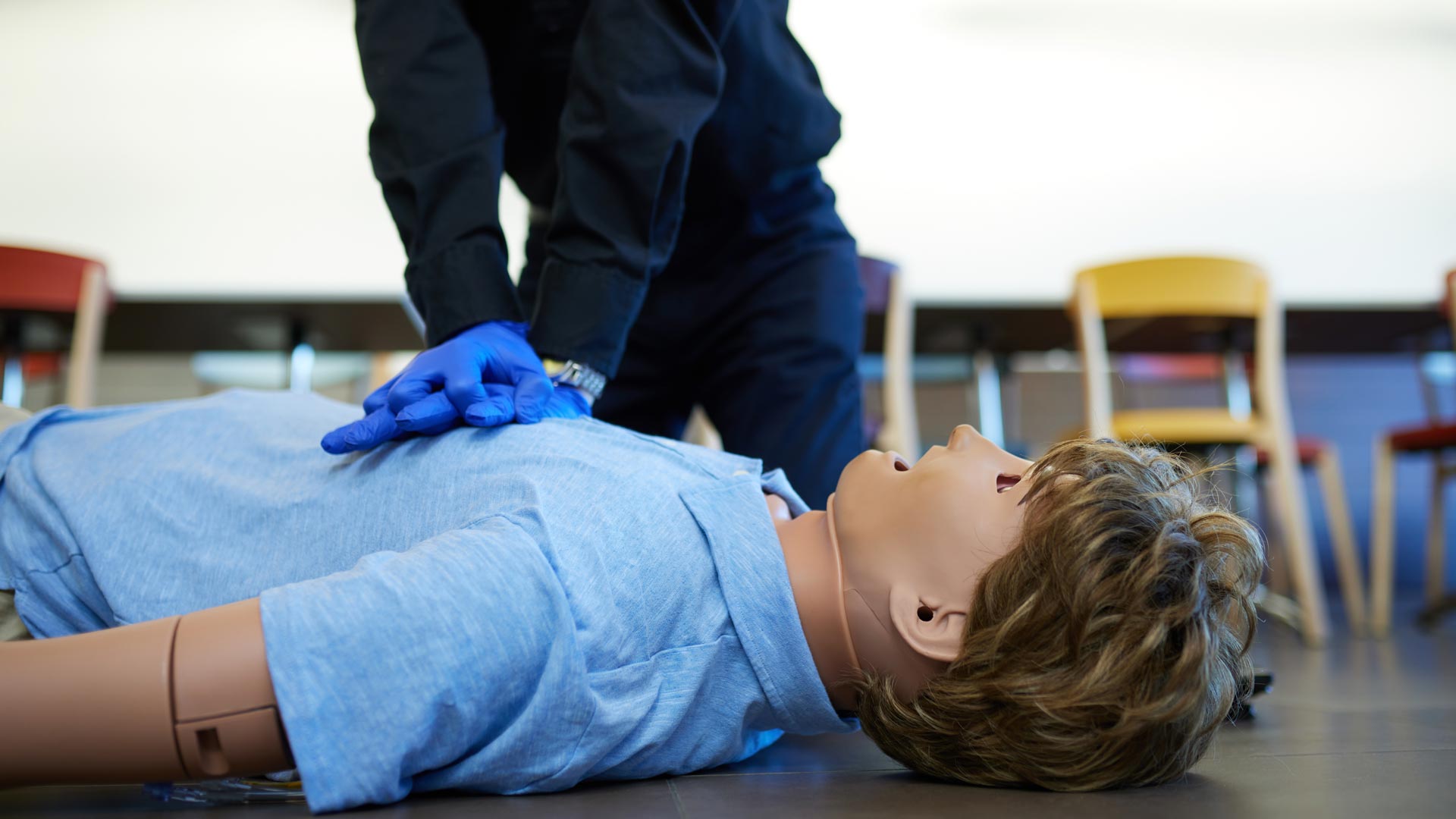
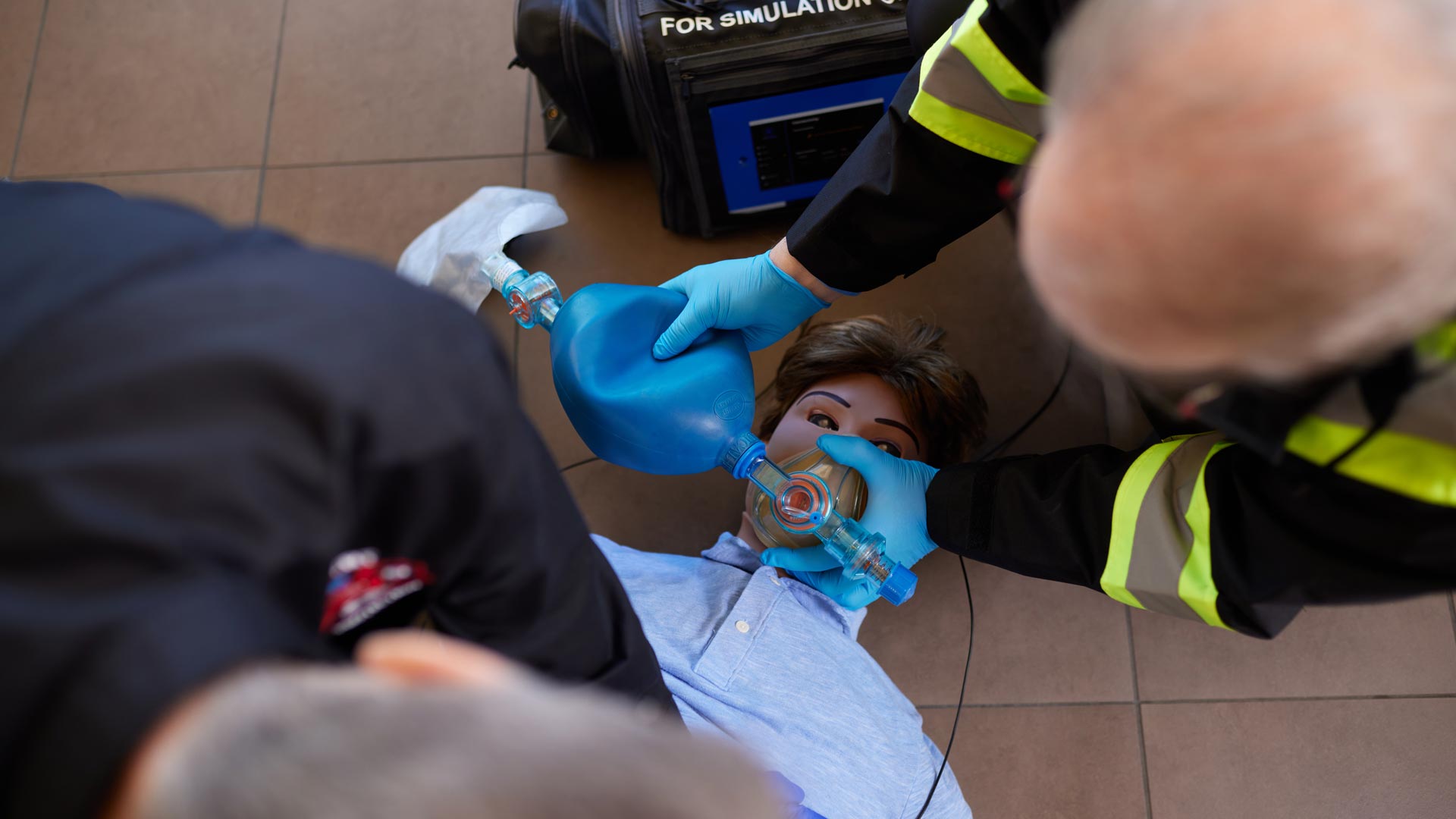
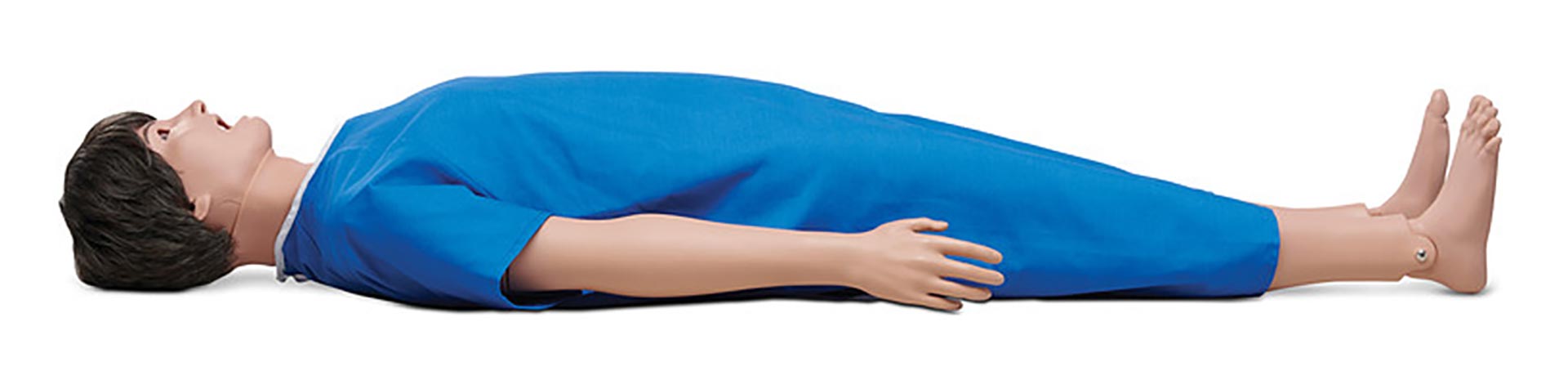
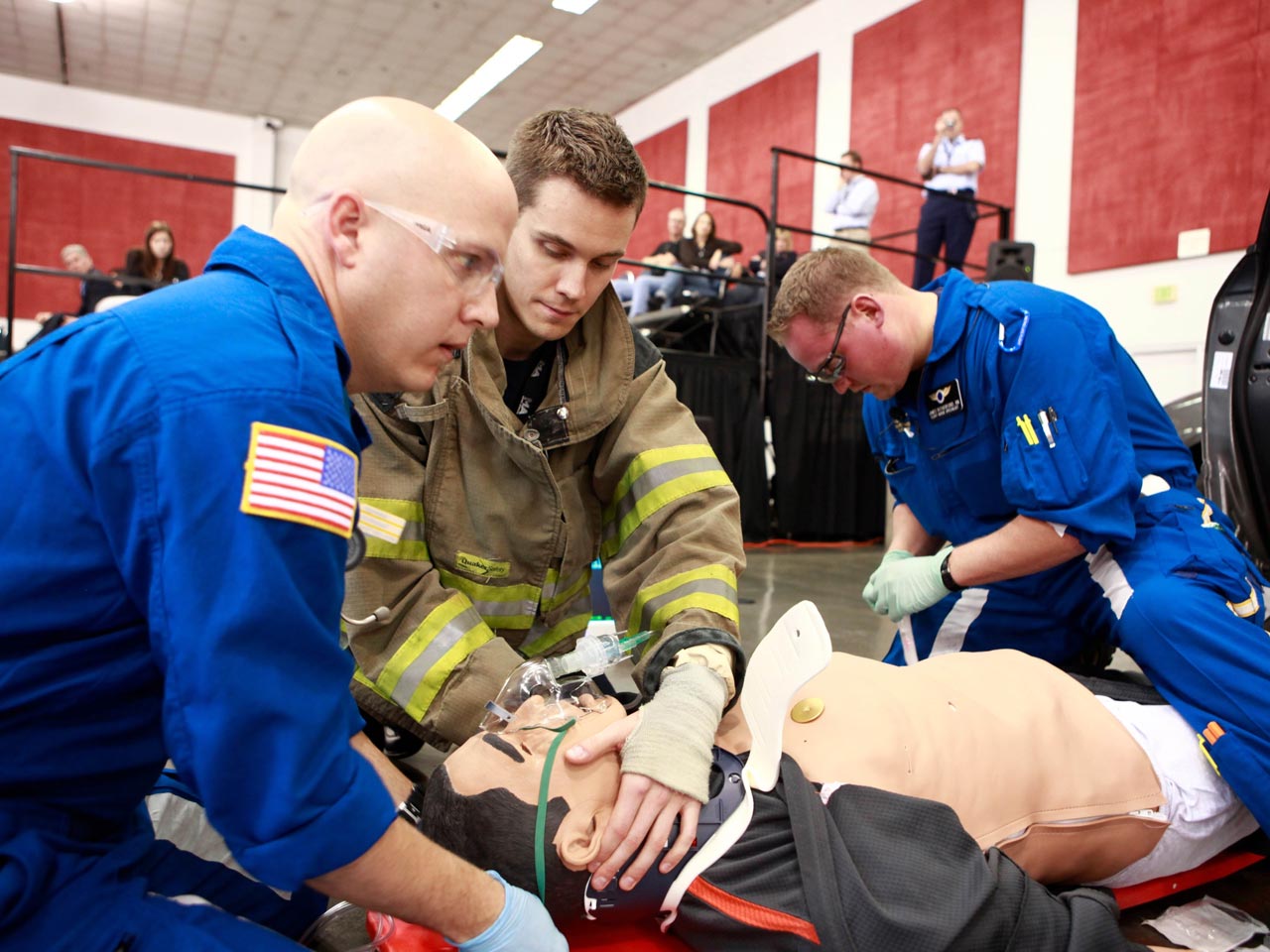
Save time and money with Ares, our cost-effective emergency care simulator designed for nursing programs, EMT educators, and trauma teams who need reliable training that delivers results. Learners can practice essential airway management, breathing assessment, and emergency medications while experiencing dynamic feedback that builds real confidence.
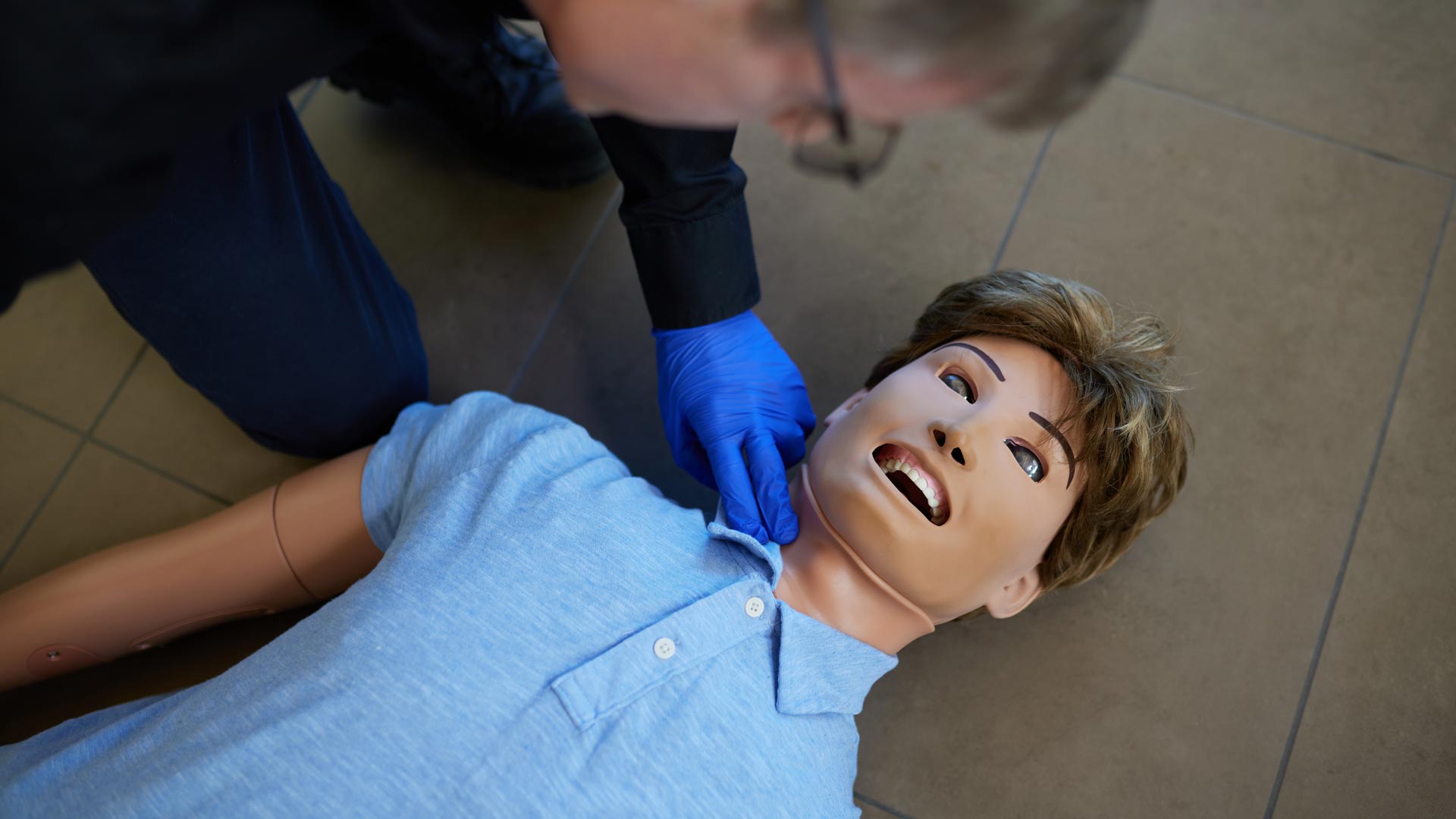
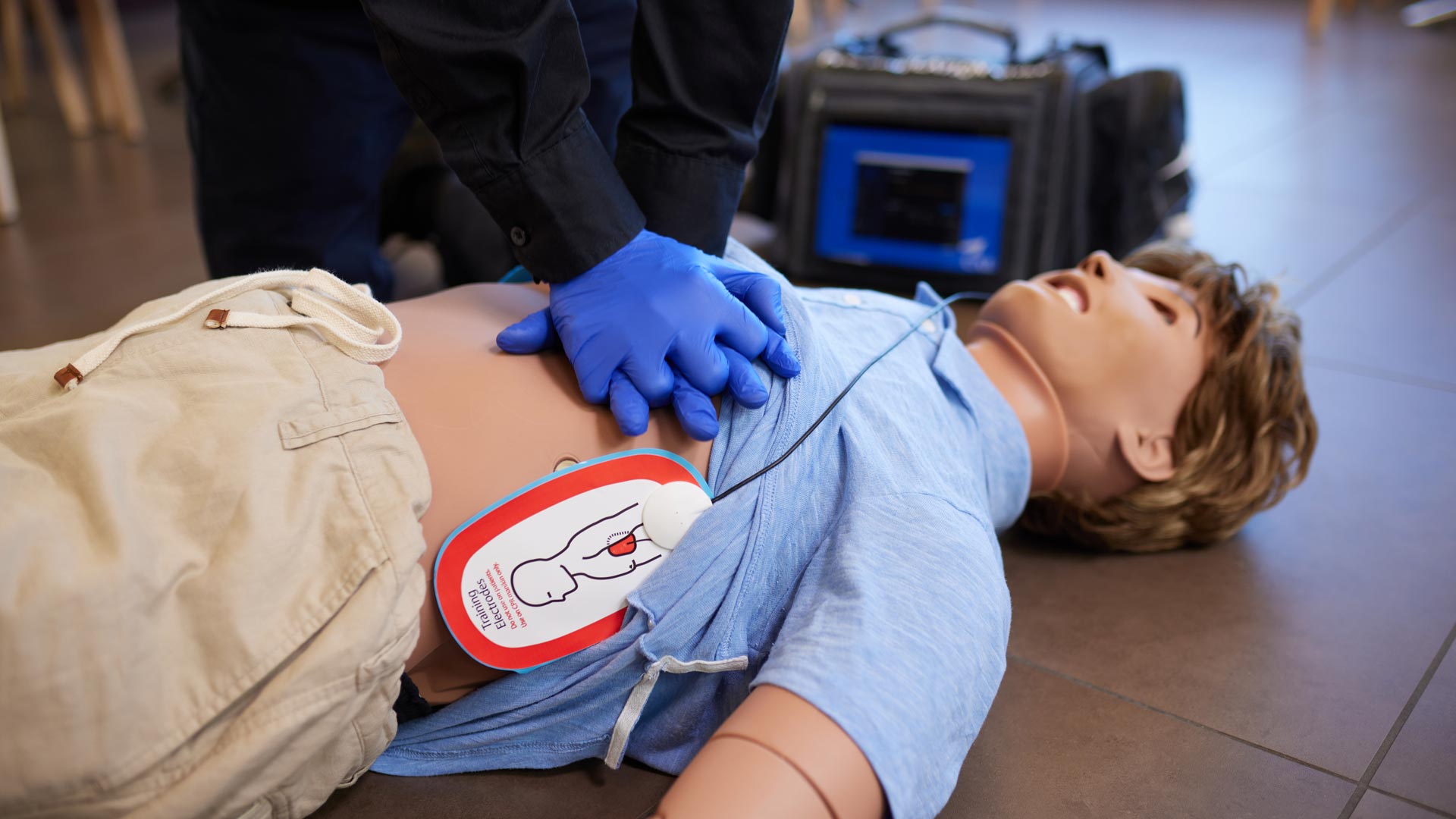
Ares integrates advanced training capabilities seamlessly into everyday curriculum. SymEyes technology enables patient condition assessment, while built-in CPR performance tracking ensures students master ALS and ACLS protocols. Combined with Maestro simulation software and two-way communication, these features create training experiences that translate directly to improved patient care.
"“Elevate Healthcare have many products that are available to meet the users where they're at, whether it is a low fidelity trainer or a mid-fidelity with some physiology, or a high-fidelity bit of equipment.” "
- - Dr. Daniel Ortiz, Associate Dean of Nursing and Allied Health
Why Choose Ares
Cost-Effective Solution
Durable construction reduces replacement and maintenance expenses
Flexible financing and service plan options
High training volume capacity supports program scalability
Proven Emergency Protocols
AHA and ERC compliant CPR training capabilities
ACLS and ALS protocol support
Evidence-based emergency care scenario library
Real equipment integration for authentic training experiences
Operational Reliability
Simplified setup and operation procedures
Comprehensive technical support and service options
See how Ares delivers realistic emergency care training capabilities.
Eyes
Alter the appearance of eyelids, pupils and sclera with SymEyes for diagnostic training
Head
Bilateral carotid pulses paired with modeled physiology for cardiovascular assessment
Chest
Spontaneous breathing with visible chest rise and fall during bag-valve-mask ventilation
Abdomen
Chest compressions compliant with AHA and ERC guidelines for resuscitation training
Lower Chest
Auscultate normal and abnormal heart, lung and bowel sounds for patient assessment
Wrists
Palpate bilateral brachial and radial pulses for circulatory evaluation
Knees
Realistic articulation at hips, knees, ankles, and shoulders for patient positioning
Eyes
Head
Chest
Abdomen
Lower Chest
Wrists
Knees
Experience Ares in an On-Demand Virtual Demo
Ares Virtual Demo
Explore Ares' emergency care capabilities, including SymEyes technology, two-way communication, advanced CPR performance analysis, and realistic emergency response training. See how Maestro software enables dynamic scenario management and real-time performance feedback for effective emergency care education.
However, the drive for "engagement" often incentivizes outrage, speed over accuracy, and spectacle over substance. When entertainment content is optimized purely for watch time, we risk flattening complex human emotions into memes and reducing current events to clickbait.
From the binge-worthy series that keep us awake until 3 AM to the viral TikTok dances that define our quarterly mood, entertainment content and popular media are no longer just "pastimes"—they are the cultural water we swim in. They shape our language, influence our politics, and often dictate what we wear, buy, and value. We are looking at the intersection of From
The internet democratized distribution. Now, a teenager in their bedroom can produce a short film that reaches 50 million views, bypassing traditional studios entirely. Consequently, "entertainment content" has fractured into niches. There is no longer one single "top show"; there are thousands of top shows for thousands of specific subcultures. Now, a teenager in their bedroom can produce
The Mirror and the Mosaic: Understanding Entertainment Content and Popular Media
Historically, popular media was a one-way street. The Golden Age of Hollywood, network television, and major record labels acted as gatekeepers. They decided what was "good," what was "popular," and what would fail. Today, the landscape has inverted.
To study entertainment content and popular media is to study the psychology of the collective. Whether it is a Marvel blockbuster, a Joe Rogan podcast, or a melancholic Lana Del Rey edit on YouTube, we are watching people try to make sense of their emotions in real-time.
Virtual Demos On-Demand
They’re designed to help you envision how the right tools can support your goals and integrate seamlessly into your program.