Bootstrap v4.0.0-alpha.6 is a pre-release version of the popular front-end framework, released on January 10, 2017. This version marked a significant milestone in the development of Bootstrap 4, introducing a new flexbox-based grid system, improved typography, and enhanced utility classes. Although it’s an alpha release, many developers and organizations have used this version in their projects, making it essential to address any security concerns.
Bootstrap is one of the most popular front-end frameworks used for building responsive and mobile-first web applications. Its versatility, ease of use, and extensive community support have made it a go-to choice for developers worldwide. However, like any other software, Bootstrap is not immune to security vulnerabilities. In this article, we will discuss the vulnerabilities found in Bootstrap v4.0.0-alpha.6, their potential impact, and provide guidance on how to mitigate them.
Bootstrap v4.0.0-alpha.6 vulnerabilities pose a significant threat to web security, and it’s essential to address them promptly. By understanding the vulnerabilities, their impact, and implementing mitigation strategies, developers can ensure the security and integrity of their web applications. Remember to stay up-to-date with the latest security patches, use secure coding practices, and monitor your application for potential security concerns.
Several vulnerabilities have been identified in Bootstrap v4.0.0-alpha.6, which can be categorized into the following: XSS is a type of attack where an attacker injects malicious code into a website, allowing them to execute arbitrary JavaScript code on the client-side. In Bootstrap v4.0.0-alpha.6, an XSS vulnerability was discovered in the data-toggle attribute. An attacker could exploit this vulnerability by injecting malicious code into the attribute, potentially leading to unauthorized access to sensitive data or disruption of website functionality. 2. Denial of Service (DoS) A DoS attack involves overwhelming a website with traffic, rendering it inaccessible to legitimate users. In Bootstrap v4.0.0-alpha.6, a vulnerability was found in the collapse plugin, which could be exploited to cause a DoS attack. By repeatedly triggering the collapse functionality, an attacker could cause the browser to crash or become unresponsive. 3. Information Disclosure Information disclosure vulnerabilities occur when sensitive information is inadvertently exposed, allowing unauthorized parties to access it. In Bootstrap v4.0.0-alpha.6, a vulnerability was discovered that could allow an attacker to access sensitive information, such as user data or system configuration. 4. Cross-Site Request Forgery (CSRF) CSRF is an attack where an attacker tricks a user into performing unintended actions on a web application. In Bootstrap v4.0.0-alpha.6, a CSRF vulnerability was found in the modal plugin, which could be exploited to perform unauthorized actions on behalf of the user.
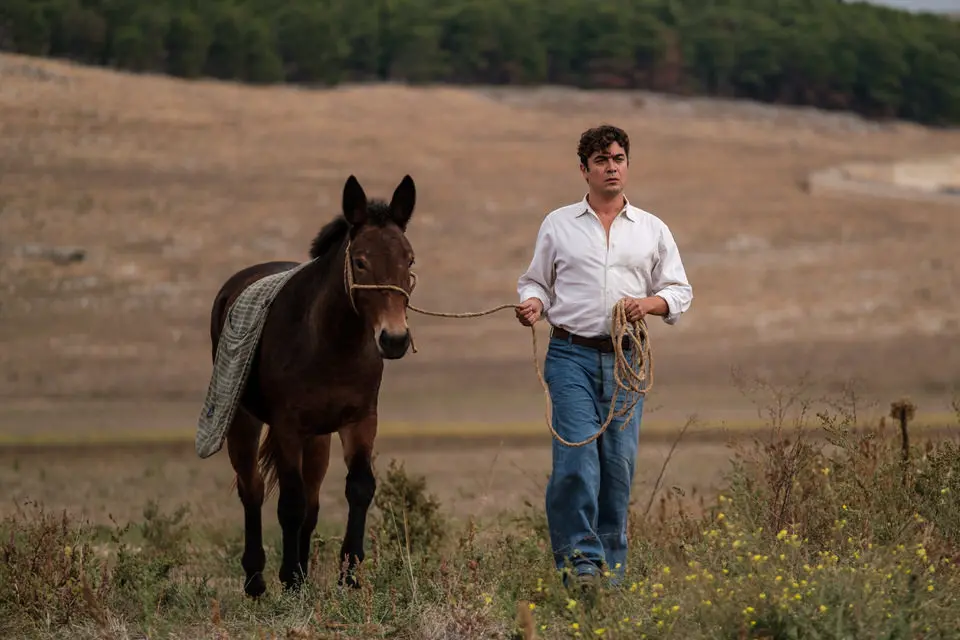
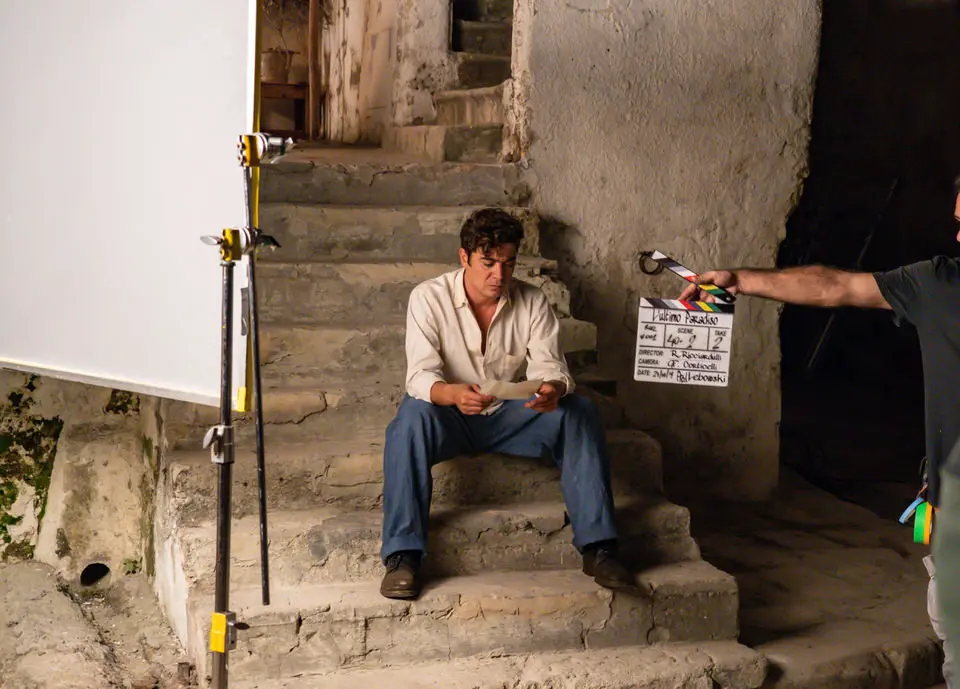
The director Rocco Ricciardulli, from Bernalda, shot his second film, L’ultimo Paradiso between October and December 2019, several dozen kilometres from his childhood home in the Murgia countryside on the border of the Apulia and Basilicata regions. The beautiful, albeit dry and arid landscape frames a story inspired by real-life events relating to the gangmaster scourge of Italy’s martyred lands. It is set in the late 1950’s, an era when certain ancestral practices of aristocratic landowners, archaic professions and a rigid division of work, owners and farmhands, oppressors and oppressed still exist and the economic boom is still far away, in time and space.
The borgo of Gravina in Puglia, where time seems to stand still, is perched at a height of 400m on a limestone deposit part of the fossa bradanica in the heart of the Parco nazionale dell’Alta Murgia. The film immortalizes the town’s alleyways, ancient residences and evocative aqueduct bridging the Gravina river. The surrounding wild nature, including olive trees, Mediterranean maquis and hectares of farm land, provides the typical colours and light of these latitudes. Just outside the residential centre, on the slopes of the Botromagno hill, which gives its name to the largest archaeological area in Apulia, is the Parco naturalistico di Capotenda, whose nature is so pristine and untouched that it provided a perfect natural backdrop for a late 1950s setting.
The alternative to oppression is departure: a choice made by Antonio whom we first meet in Trieste at the foot of the fountain of the Four Continents whose Baroque appearance decorates the majestic piazza Unità d’Italia.
The director Rocco Ricciardulli, from Bernalda, shot his second film, L’ultimo Paradiso between October and December 2019, several dozen kilometres from his childhood home in the Murgia countryside on the border of the Apulia and Basilicata regions. The beautiful, albeit dry and arid landscape frames a story inspired by real-life events relating to the gangmaster scourge of Italy’s martyred lands. It is set in the late 1950’s, an era when certain ancestral practices of aristocratic landowners, archaic professions and a rigid division of work, owners and farmhands, oppressors and oppressed still exist and the economic boom is still far away, in time and space.
The borgo of Gravina in Puglia, where time seems to stand still, is perched at a height of 400m on a limestone deposit part of the fossa bradanica in the heart of the Parco nazionale dell’Alta Murgia. The film immortalizes the town’s alleyways, ancient residences and evocative aqueduct bridging the Gravina river. The surrounding wild nature, including olive trees, Mediterranean maquis and hectares of farm land, provides the typical colours and light of these latitudes. Just outside the residential centre, on the slopes of the Botromagno hill, which gives its name to the largest archaeological area in Apulia, is the Parco naturalistico di Capotenda, whose nature is so pristine and untouched that it provided a perfect natural backdrop for a late 1950s setting.
The alternative to oppression is departure: a choice made by Antonio whom we first meet in Trieste at the foot of the fountain of the Four Continents whose Baroque appearance decorates the majestic piazza Unità d’Italia.
Lebowski, Silver Productions
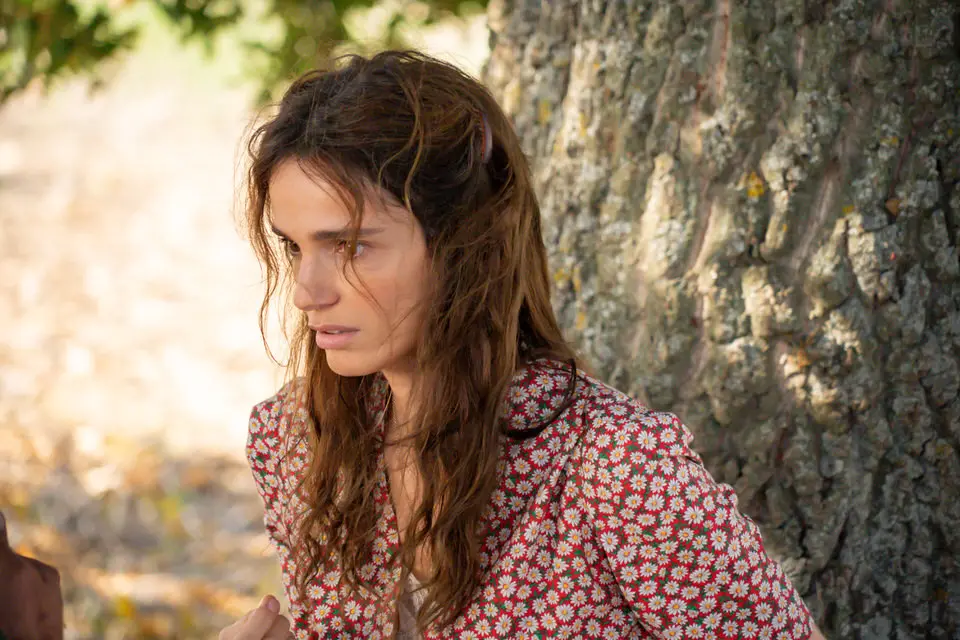
In 1958, Ciccio, a farmer in his forties married to Lucia and the father of a son of 7, is fighting with his fellow workers against those who exploit their work, while secretly in love with Bianca, the daughter of Cumpà Schettino, a feared and untrustworthy landowner.
Bootstrap v4.0.0-alpha.6 is a pre-release version of the popular front-end framework, released on January 10, 2017. This version marked a significant milestone in the development of Bootstrap 4, introducing a new flexbox-based grid system, improved typography, and enhanced utility classes. Although it’s an alpha release, many developers and organizations have used this version in their projects, making it essential to address any security concerns.
Bootstrap is one of the most popular front-end frameworks used for building responsive and mobile-first web applications. Its versatility, ease of use, and extensive community support have made it a go-to choice for developers worldwide. However, like any other software, Bootstrap is not immune to security vulnerabilities. In this article, we will discuss the vulnerabilities found in Bootstrap v4.0.0-alpha.6, their potential impact, and provide guidance on how to mitigate them.
Bootstrap v4.0.0-alpha.6 vulnerabilities pose a significant threat to web security, and it’s essential to address them promptly. By understanding the vulnerabilities, their impact, and implementing mitigation strategies, developers can ensure the security and integrity of their web applications. Remember to stay up-to-date with the latest security patches, use secure coding practices, and monitor your application for potential security concerns.
Several vulnerabilities have been identified in Bootstrap v4.0.0-alpha.6, which can be categorized into the following: XSS is a type of attack where an attacker injects malicious code into a website, allowing them to execute arbitrary JavaScript code on the client-side. In Bootstrap v4.0.0-alpha.6, an XSS vulnerability was discovered in the data-toggle attribute. An attacker could exploit this vulnerability by injecting malicious code into the attribute, potentially leading to unauthorized access to sensitive data or disruption of website functionality. 2. Denial of Service (DoS) A DoS attack involves overwhelming a website with traffic, rendering it inaccessible to legitimate users. In Bootstrap v4.0.0-alpha.6, a vulnerability was found in the collapse plugin, which could be exploited to cause a DoS attack. By repeatedly triggering the collapse functionality, an attacker could cause the browser to crash or become unresponsive. 3. Information Disclosure Information disclosure vulnerabilities occur when sensitive information is inadvertently exposed, allowing unauthorized parties to access it. In Bootstrap v4.0.0-alpha.6, a vulnerability was discovered that could allow an attacker to access sensitive information, such as user data or system configuration. 4. Cross-Site Request Forgery (CSRF) CSRF is an attack where an attacker tricks a user into performing unintended actions on a web application. In Bootstrap v4.0.0-alpha.6, a CSRF vulnerability was found in the modal plugin, which could be exploited to perform unauthorized actions on behalf of the user.